
For most companies, the single biggest shift between 2024 and 2027 is that AI is amplifying every existing threat rather than replacing them. The fundamentals still matter: identity, patching, backups, visibility, and resilience.
AI simply makes attackers faster and more convincing.
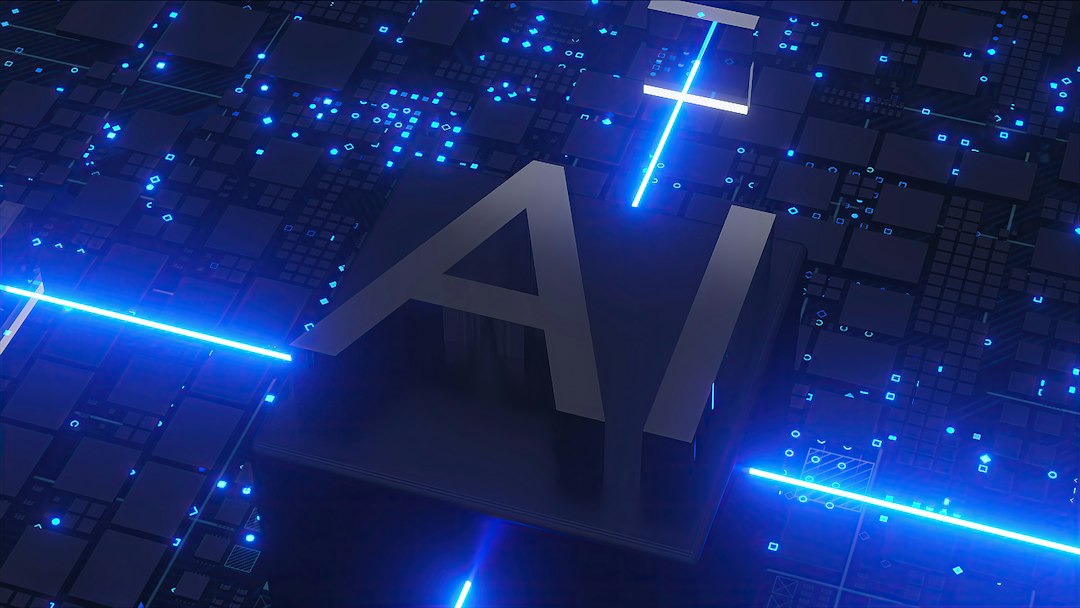
Attackers are using generative AI to create highly convincing phishing emails, voice clones, fake video meetings, and automated social engineering campaigns at scale. AI has become both a defensive tool and an offensive weapon. Reports show AI is accelerating reconnaissance, malware development, and impersonation attacks.
Board-level concern: A CFO receives a phone call that sounds exactly like the CEO authorizing a wire transfer.

Stolen credentials, session tokens, MFA bypasses, and account takeovers continue to dominate successful breaches. Organizations are increasingly realizing that protecting identities is more important than protecting networks alone.
Key risk areas:
- Privileged accounts
- Cloud identities
- Service accounts
- Third-party identities

Ransomware remains one of the most disruptive threats worldwide. Criminal groups are becoming more decentralized and increasingly use:
- Data theft without encryption
- Double and triple extortion
- AI-assisted victim profiling
- Faster attack timelines
Ransomware continues to rank among the top executive concerns globally.

Companies no longer need to be attacked directly.
Threat actors increasingly target:
- Managed service providers
- Software vendors
- Open-source libraries
- CI/CD pipelines
- Cloud integrations
A compromise of a trusted supplier can affect thousands of customers simultaneously

Organizations continue moving critical workloads into:
- Microsoft 365
- Azure
- AWS
- Google Cloud
- Hundreds of SaaS applications
Misconfigurations, excessive permissions, exposed storage, and weak identity controls remain major breach causes.

The volume of newly disclosed vulnerabilities is increasing dramatically.
Security teams struggle to:
- Prioritize patches
- Track asset inventories
- Remediate internet-facing systems quickly
Researchers report AI is accelerating discovery of vulnerabilities, increasing the workload on defenders.
Reality: Most organizations are overwhelmed by vulnerability volume, not the lack of security tools.
Modern businesses depend on hundreds of external vendors whose security practices are often opaque.
Major concerns include:
- Vendor breaches
- Outsourced development
- Shared cloud providers
- API integrations
The World Economic Forum continues to highlight supply-chain interdependencies as a key systemic cyber risk

Phishing-resistant MFA everywhere
Identity-centric Zero Trust architecture
Continuous vulnerability management
Supply-chain risk monitoring
AI governance and AI security controls
Ransomware recovery testing
Executive deepfake awareness training
Cloud permission reviews
Third-party security assessments
Cyber resilience exercises with leadership

Many organizations cannot hire or retain enough skilled cybersecurity professionals.
Common gaps:
- Incident response
- Cloud security
- Threat hunting
- Identity security
- OT/ICS security
Industry reports consistently identify workforce shortages as a major obstacle to cyber resilience.

The question is no longer. "Can we prevent every breach?" but rather, "Can we recover quickly?"
Leading organizations are investing in:
- Immutable backups
- Cyber recovery vaults
- Incident exercises
- Business continuity
- Crisis communications
Cyber resilience is becoming as important as cybersecurity itself.

1. Phishing-resistant MFA everywhere
2. Identity-centric Zero Trust architecture
3. Continuous vulnerability management
4. Supply-chain risk monitoring
5. AI governance and AI security controls
6. Ransomware recovery testing
7. Executive deepfake awareness training
8. Cloud permission reviews
9. Third-party security assessments
10. Cyber resilience exercises with leadership
Chapter Meetings
Monthly at 5:30pm on the Third Tuesday at
Hackers Guild PGH
2247 Babcock Blvd
Pittsburgh, PA 15237

Meet new people

Mature your business acumen

Enhance your presenting skills

Grow your technical skills